
Riding the Wave: Intro to Agile Testing & DevOps Concepts
Welcome back! You've been building a fantastic understanding of testing principles and how to design smart tests. Now, let's look at the dynamic environments where these skills are most often put into practice: modern software development approaches like Agile and DevOps.
If the SDLC is the overall roadmap, and Shift Left is a key strategy, then Agile and DevOps are the high-performance vehicles and super-smooth highways that many teams use to build and deliver software. Understanding their core ideas will help you see how testing truly becomes an integrated, continuous part of the journey, rather than just a checkpoint.
🚀 So, grab your helmet, and let's explore how these concepts reshape the testing landscape!
Agile 101 – Flexibility and Collaboration
You'll hear the term Agile everywhere in the software world. At its heart, Agile isn't a single, rigid methodology but a set of values and principles designed to help teams deliver value to their customers faster and more effectively, especially when requirements are evolving or unclear. Think flexibility, collaboration, and responding to change over blindly following a plan.
While there are many Agile frameworks, two you'll frequently encounter are:
- Scrum: This is a very popular framework that organizes work into fixed-length iterations called Sprints (often 1-4 weeks). Key roles include the Product Owner (defines what to build), the Scrum Master (helps the team follow Scrum practices), and the Development Team (who builds and tests the product). Regular events like Daily Stand-ups, Sprint Reviews, and Sprint Retrospectives keep things on track and promote continuous improvement.
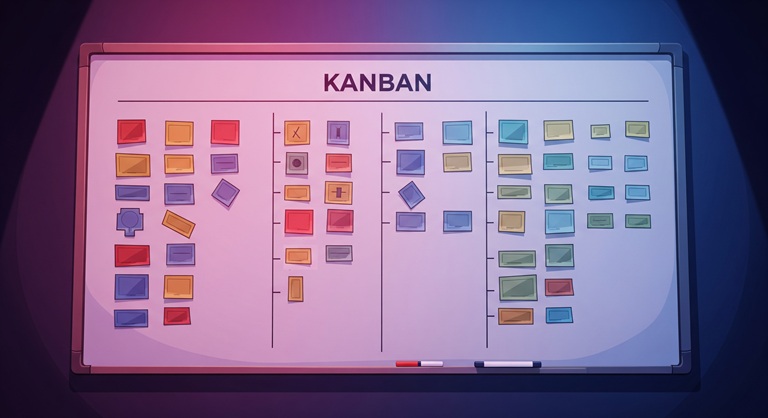
- Kanban: This is a more flow-based system focused on visualizing work, limiting Work In Progress (WIP), and maximizing efficiency. Teams often use a Kanban board with columns representing stages of work. The goal is to pull work through the system smoothly rather than pushing it.
Imagine a software team that used to spend six months building features based on detailed upfront specifications, only to find that half the requirements had changed by the time they delivered. By switching to Scrum and delivering smaller, working pieces of software every two weeks, they started getting rapid feedback from users. This allowed them to adjust course quickly, building features users actually wanted and avoiding wasted effort.
The core of Agile is this iterative cycle of building, getting feedback, and adapting. It values working software and collaboration above all else.
The Agile Tester – A Whole New Ballgame
So, how does being a tester change when you step into an Agile world? It's a pretty dramatic shift from the old "tester at the end" model. Instead of a separate QA phase, quality becomes a whole-team responsibility, and testing activities are woven throughout each iteration or sprint.
Here's what it often looks like:
- Embedded in the Team: Testers are integral members of the cross-functional development team, working side-by-side with developers, product owners, and designers. Silos are broken down.
- Continuous Testing: Testing isn't saved for the end. It happens continuously. This could mean testing individual pieces of functionality as soon as they are coded, testing integrated components frequently, and ensuring user stories meet their acceptance criteria before they are considered "done."
- Deep Collaboration: You'll be in constant communication. This means participating in sprint planning, daily stand-ups, story refinement sessions (where you help clarify requirements and acceptance criteria), and sprint reviews (demos of working software).
- User Story Focused: Testing is often directly tied to user stories. Your goal is to verify that each story delivers the intended value and meets its defined acceptance criteria.
Your Voice in Sprint Planning
As a tester in an Agile team, sprint planning is your golden opportunity. This is where the team decides what work to pull into the upcoming sprint. Use this time to ask critical questions about the testability of proposed stories, help clarify their acceptance criteria, and identify potential testing complexities or risks before the development work even kicks off. Your proactive input here can save a lot of headaches later in the sprint.
In Agile, you're not just a safety net; you're an active partner in crafting quality from the very beginning of each cycle.
DevOps Demystified – Breaking Down Silos
DevOps is another term you'll hear constantly. It's more than just a role or a tool; it's a culture, a movement, and a set of practices. The core idea is to break down the traditional silos between software Development (Dev) teams and IT Operations (Ops) teams, fostering better collaboration and communication.
Why? Because historically, these two groups often had conflicting goals. Dev teams want to release new features quickly. Ops teams want to ensure production stability (and new features can sometimes break things!). DevOps aims to align these goals, enabling organizations to develop and release software faster, more frequently, and more reliably. The CALMS acronym is often used to describe its pillars: Culture, Automation, Lean (flow), Measurement, and Sharing.
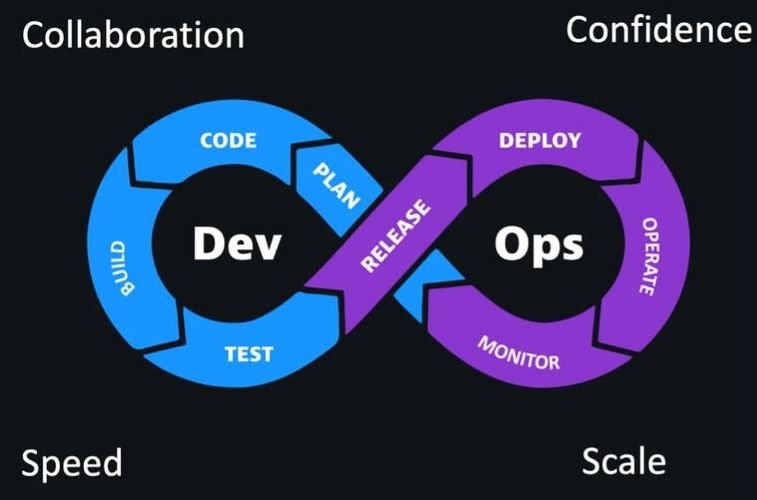
Imagine a company where every software release was a tense, all-hands-on-deck, weekend-long affair. Developers would hand over a package to the Ops team, fingers crossed. Ops would struggle with manual deployment steps, often encountering environment differences and configuration issues. If things went wrong (and they often did), finger-pointing would ensue. By adopting DevOps practices like shared tools for infrastructure (Infrastructure as Code), automated deployment scripts, and joint responsibility for the software in production, this same company could start releasing multiple times a week with minimal drama.
DevOps is fundamentally about optimizing the flow of value from idea to the end-user by automating processes and improving collaboration.
The CI/CD Pipeline – Automation's Highway
A cornerstone of DevOps is the CI/CD pipeline. This is where the magic of automation really shines, creating an efficient "highway" for your code.
- Continuous Integration (CI): This is a practice where developers frequently (often multiple times a day) merge their code changes into a central repository. Each merge automatically triggers a build process and, crucially, a suite of automated tests (like unit and integration tests). If any test fails, the build is marked as broken, and the team gets immediate feedback to fix the issue before it gets buried under more code.
- Continuous Delivery (CD): This takes CI a step further. After code is built and passes all automated tests in the CI stage, Continuous Delivery automates the release of that validated code to various environments (like staging, pre-production, or even production). The key here is that every change that passes the automated checks is releasable. Whether it's actually pushed to production might still involve a manual business decision, but the software is always in a deployable state.
(There's also Continuous Deployment, where every validated change automatically goes to production, but Continuous Delivery is a more common first step.)
Automated tests are the gatekeepers at various stages of this pipeline, ensuring that only quality code progresses down the line.
Agile + DevOps + Testing = Quality at Speed
So, how do Agile and DevOps fit together, and where does testing (especially your role as an automation enthusiast) come in? They are incredibly complementary.
Agile methodologies provide the framework for iterative development and quick feedback loops from stakeholders. DevOps provides the culture, practices, and automation (especially via CI/CD pipelines) to make those iterations fast, reliable, and sustainable.
In this combined world, Continuous Testing becomes the norm. This means:
- Automated tests (unit, integration, API, UI acceptance tests) are run continuously as part of the CI/CD pipeline.
- Testers are deeply involved in defining the test strategy for the pipeline, ensuring adequate coverage at each stage.
- You'll champion the creation and maintenance of robust, reliable, and fast automated tests. Flaky tests are a pipeline killer!
- You'll analyze test results from automated runs, quickly identifying real defects versus test script issues or environment instabilities.
- With a strong automated safety net, you (and the team) can focus on other activities, complex scenarios, and usability aspects.
Embrace the Feedback Loop
The beauty of Agile and DevOps, supercharged by test automation, is the incredibly rapid feedback loop. When tests run on every code commit, developers know almost instantly if their change introduced a problem. This immediate feedback means fixes are quicker, easier, and less costly. As an automation QA engineer, you are a critical enabler of this fast, continuous feedback.
Your automation efforts directly contribute to the team's ability to deliver high-quality software at a sustainable, rapid pace.
Key Takeaways
- Agile focuses on iterative development, collaboration, and responding to change, with frameworks like Scrum and Kanban guiding team processes.
- In Agile environments, testing is a continuous, whole-team activity, integrated into each development cycle, not a separate phase.
- DevOps blends development and operations through a culture of collaboration and extensive automation to deliver software faster and more reliably.
- The CI/CD pipeline is the automated heart of DevOps, where test automation at all levels provides critical quality gates and rapid feedback.
- Agile and DevOps, powered by robust continuous testing and automation, enable teams to achieve quality at speed, requiring testers to be adaptable and automation-focused.
Explore Agile & DevOps Further
- Manifesto for Agile Software Development The original source outlining the core values and principles.
- Atlassian: What is Scrum? A good overview of the Scrum framework, roles, and events.
- Atlassian: What is DevOps? A comprehensive explanation of DevOps culture, practices, and benefits.
- Martin Fowler: Continuous Integration An insightful article on CI from a leading software development voice.